
Unveiling the Charm: Your Guide to Yorkshire Terrier Colors (and What They Mean!)
Yorkshire Terrier Fellfarbe. Ah, the Yorkshire Terrier! Those tiny bundles of sass and sparkle, with their flowing, silky coats and big, bold personalities. If you’re considering bringing a Yorkie into your life, or perhaps you’re already a proud parent to one of these pint-sized dynamos, you’ve likely noticed that not all Yorkies are created equal when it comes to their stunning coats. While we often picture the classic blue and tan, there’s a fascinating spectrum of Yorkshire Terrier Fellfarbe (that’s “coat color” in German, for those of you delving into the finer points of the breed!) waiting to be discovered.
So, let’s embark on a delightful journey into the world of Yorkie coloration. Get ready to discover the nuances, the standards, and the sheer beauty of these captivating canine companions. Yorkshire Terrier Fellfarbe
The Classic: Blue and Tan – A Timeless Elegance
When you think of a Yorkshire Terrier, this is probably the image that springs to mind. The “blue” and tan is the quintessential Yorkie look, and for very good reason. This combination is recognized by major kennel clubs and is considered the breed standard. Yorkshire Terrier Fellfarbe
- The Blue: This isn’t your typical sky blue, of course! Instead, it’s a rich, steel blue that starts at the root and extends to the tip of the hair. It’s a deep, almost metallic hue that stands in stunning contrast to the warmer tones of the tan.
- The Tan: The tan markings are typically a rich, golden tan or a warm fawn. They usually appear on the head, chest, and legs. Imagine tiny, perfectly placed “socks” and a distinguished “collar” – it’s simply adorable!
Understanding the Nuances of Blue and Tan:
Even within the “blue and tan” category, you’ll find variations. Some Yorkies may have a darker, more intense blue, while others might have a lighter, more silvery shade. Similarly, the tan can range from a pale gold to a deeper, almost reddish hue. These subtle differences are part of what makes each Yorkie unique and special. Yorkshire Terrier Fellfarbe
Beyond the Classic: Exploring Other Accepted Colors
While blue and tan reigns supreme in the show ring, the world of Yorkie colors is a little more diverse than you might initially think. It’s important to distinguish between what is considered breed standard and what you might encounter in the general population.
For the purpose of official recognition and show standards, the primary colors accepted are variations of steel blue and tan. However, understanding that genetics can lead to other beautiful presentations is key to appreciating the full spectrum of this breed. Yorkshire Terrier Fellfarbe
Here’s a look at the dominant and accepted variations:
| Color Combination | Description | Common Markings |
|---|---|---|
| Steel Blue & Tan | The classic and most recognized. A deep, steel-blue coat on the body with rich, golden tan markings on the head, chest, and legs. | Tan points on the muzzle, above the eyes, and on the ears. Blue on the back, sides, and tail. Tan on the chest and legs. |
| Dark Steel Blue & Tan | Similar to the classic, but with a deeper, more intense blue that can appear almost black in certain lights. The tan markings are typically rich and well-defined. | Consistent with the classic blue and tan, but with a more profound depth of blue. |
| Light Steel Blue & Tan | Features a paler, more silvery blue. This can be particularly striking, offering a softer yet still elegant appearance. The tan markings are still present and well-defined. | Lighter blue on the body. Tan markings remain prominent, providing a beautiful contrast. |
What About Other Colors You Might See?
You might have seen or heard of Yorkshire Terriers with different colorings. It’s important to understand that while these dogs are still Yorkies, these variations are often not considered “breed standard” by major kennel clubs. This doesn’t make them any less beloved or wonderful as pets, but it’s a good distinction to be aware of, especially if you’re interested in showing your dog. Yorkshire Terrier Fellfarbe
Some of these variations can include:
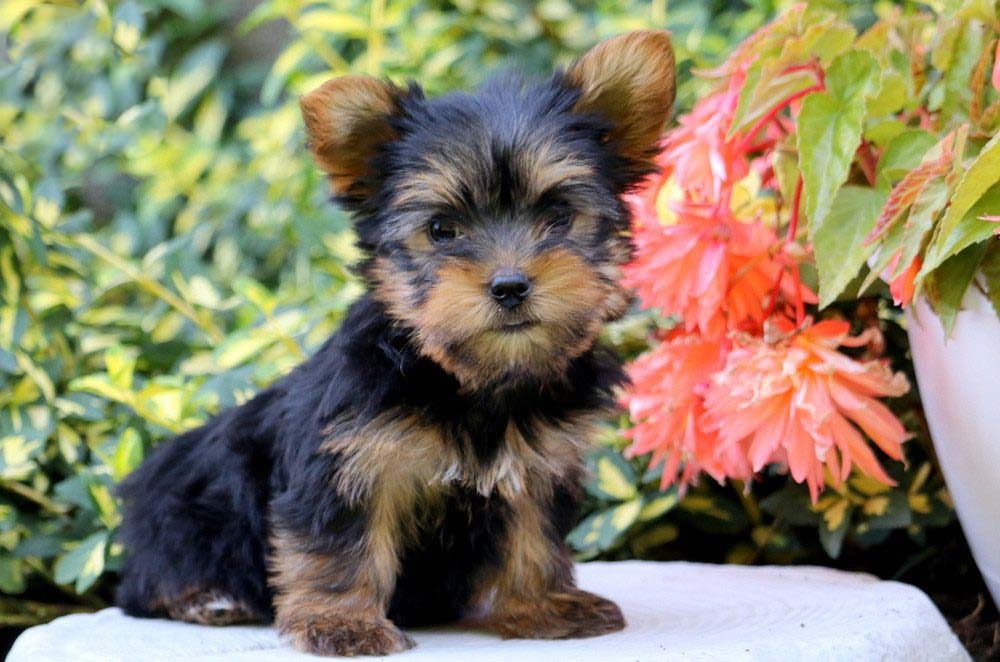
- Black and Tan: This is a very common color in puppy Yorkies and is the expected color before the “blue” develops. It’s believed that the adult blue coloration is a dilution of the black pigment. Yorkshire Terrier Fellfarbe
- Chocolate (or Liver) and Tan: This is a less common but undeniably beautiful variation. The “blue” pigment is replaced by a rich chocolate or liver color.
- Parti-colored Yorkies: These Yorkies have patches of white in addition to their other colors. While some consider this a fault, they are still cherished companions. Yorkshire Terrier Fellfarbe
A Note on Puppy Colors:
It’s a common and fascinating phenomenon that most Yorkshire Terrier puppies are born black and tan. As they mature, the black areas on their body gradually transform into the characteristic steel blue. This color change is a gradual process that can take anywhere from several months to over a year to fully develop. So, if you’re getting a very young puppy, don’t be surprised if they look a bit different from the adult Yorkies you’re used to seeing!
Genetics: The Architects of Color
The fascinating tapestry of Yorkshire Terrier coat colors is all thanks to the intricate workings of genetics. While we won’t dive into a full genetics lesson here, understanding some basics can be enlightening. Yorkshire Terrier Fellfarbe
- Dominant and Recessive Genes: Just like with human traits, certain color genes are dominant over others. The gene for black pigment is dominant over the gene for liver (chocolate) pigment. Yorkshire Terrier Fellfarbe
- The “Blue” Gene: The steel blue color in Yorkies is actually a dilution of black pigment. This is controlled by a specific gene that lightens the black to blue.
- The Tan Point Gene: This gene dictates where the tan coloration appears.Yorkies have a specific pattern of tan markings that is part of their breed standard.
- The White Gene: The presence of white markings is often due to a separate gene that can cause patches of white to appear.
It’s this complex interplay of genes that results in the diverse range of colors we see in Yorkshire Terriers. Responsible breeders often have a deep understanding of genetics, which helps them produce healthy puppies with predictable traits, including color. Yorkshire Terrier Fellfarbe
Caring for Your Yorkie’s Coat: A Labor of Love
Regardless of your Yorkie’s specific color, one thing is certain: their coat is a crowning glory that requires dedication and care. Yorkie hair is more like human hair than typical dog fur, meaning it grows continuously and needs regular grooming to prevent matting and maintain its beautiful shine.
Here are some essential grooming tips:
- Regular Brushing: Aim for daily brushing, especially if your Yorkie has a longer coat. Use a good quality slicker brush and a metal comb to work through any tangles gently. Yorkshire Terrier Fellfarbe
- Bathing: Bathe your Yorkie regularly, but not too often, to keep their coat clean and free of debris. Use a high-quality dog shampoo and conditioner specifically formulated for long-haired breeds. Yorkshire Terrier Fellfarbe
- Trimming: Regular trims are essential, especially around the face, feet, and sanitary areas. Many owners opt for a “puppy cut” for easier maintenance.
- Professional Grooming: Consider professional grooming every 4-6 weeks to keep their coat in top condition and for expert trimming.
Color-Specific Grooming Considerations:
While the grooming techniques remain the same, some owners find that certain colors might be more prone to showing dirt or require specific attention. For instance, lighter blue coats might show dust more readily, while darker coats might benefit from color-enhancing shampoos to maintain their depth. However, the fundamental care remains the same: consistent brushing and bathing are key!
Frequently Asked Questions About Yorkshire Terrier Colors
Let’s address some of the common questions you might have about Yorkie colors:
Q1: Are black and tan Yorkies a separate breed? A1: No, black and tan Yorkies are not a separate breed. Most Yorkshire Terrier puppies are born black and tan and their coat color changes to steel blue as they mature. Yorkshire Terrier Fellfarbe
Q2: Can a blue and tan Yorkie have a puppy with a different color? A2: Yes, it’s possible. Genetics are complex, and if both parents carry the genes for other colors (like liver or white), they can pass those traits on to their offspring. Responsible breeders will be able to explain the potential color genetics of their lines.
Q3: Is a chocolate or liver colored Yorkie less healthy? A3: Not necessarily. While not the standard color, these variations are generally just as healthy as their blue and tan counterparts. Their color is determined by different genetic expressions. Yorkshire Terrier Fellfarbe
Q4: How can I tell if my Yorkie puppy will turn blue? A4: Look at the base of their hair, especially on their back. If you see a bluish or grayish tint at the roots, it’s a good indication that they will develop the classic steel blue coat. The tan markings will also typically deepen.
Q5: Are parti-colored Yorkies rare? A5: Parti-colored Yorkies (those with white patches) are not as common as the standard blue and tan, but they are not considered rare. They are simply a variation in coloration. Yorkshire Terrier Fellfarbe
Embracing the Beauty of Every Hue
Whether your Yorkie sports the iconic steel blue and tan, a bolder dark blue, a softer light blue, or even a less common but equally charming variation, their color is just one facet of their incredible personality. Remember, the most important thing is the love and companionship they bring into your life.
So, take a moment to admire the unique Fellfarbe of your Yorkshire Terrier. Each shade tells a story of genetics, development, and the enduring charm of this beloved breed. Enjoy the journey of understanding and appreciating every beautiful variation!