
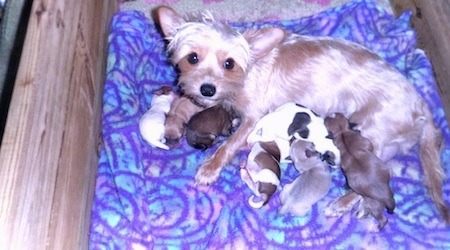
Pint-Sized Powerhouses: A Comprehensive Guide to Owning the Yorkshire Terrier
Hunde Yorkshire Terrier. If you are captivated by a dog that combines the elegance of a supermodel with the heart of a lion, chances are you are thinking about welcoming a Yorkshire Terrier into your life. Known affectionately as Yorkies, these charming toy dogs prove that the biggest personalities truly come in the smallest packages.
Owning a Yorkie is a unique and rewarding experience. You are not just getting a lap dog; you are adopting a spirited companion who will keep you entertained, alert, and thoroughly loved for years to come. Hunde Yorkshire Terrier
In this comprehensive guide, we’ll dive deep into everything you need to know about the Yorkshire Terrier—from their signature silky coat and feisty temperament to the specific care requirements that ensure your tiny titan lives a long, happy, and healthy life.
Meeting the Yorkie: Origins and Quick Facts
The Yorkshire Terrier’s history is far more rugged than their current pampered status might suggest. Originating in 19th-century England (specifically the county of Yorkshire), these dogs were initially developed to catch rats in textile mills and mines. This working-class background is why they retain such a strong hunting instinct and fierce tenacity today!
Today, they are firmly cemented in the Toy Group, celebrated worldwide for their gorgeous blue and tan coloring and immense loyalty.
Table 1: Yorkshire Terrier at a Glance
| Trait | Details |
|---|---|
| Breed Group | Toy |
| Average Weight | Maximum 3.2 kg (7 pounds) |
| Average Height | 17 – 20 cm (7 – 8 inches) |
| Lifespan | 11 – 15 years |
| Temperament | Affectionate, Spirited, Bossy, Highly Energetic |
| Coat Type | Long, fine, silky (similar to human hair) |
| Shedding | Minimal (hypoallergenic qualities) |
| Ideal Owner | Apartment dwellers, individuals seeking a devoted companion, experienced dog owners |
The Yorkie Personality: Big Dog Energy
You might assume that a dog this small would prefer to spend all day on the sofa, but the Yorkshire Terrier is far from a delicate flower. They possess a vibrant, confident, and sometimes demanding personality that requires an owner who can appreciate their assertiveness. Hunde Yorkshire Terrier
They are quintessential “big dogs in little bodies.”
When you live with a Yorkie, you will notice these defining personality traits:
Loyalty Above All Else
Yorkies form deep, unwavering bonds with their main owner. They thrive on human companionship and genuinely want to be involved in everything you do. Be prepared for a persistent shadow! Their devotion makes them fantastic emotional support animals, but it also means they can be prone to separation anxiety if not properly trained. Hunde Yorkshire Terrier
The Fearless Watchdog
Because of their keen senses and territorial streak, Yorkshire Terriers make excellent, albeit noisy, watchdogs. They are quick to sound the alarm if a stranger approaches or if they perceive any threat. While this is helpful, consistent training is crucial to manage excessive barking.
Intelligence and Curiosity
Yorkies are highly intelligent and curious. They enjoy learning tricks and participating in small-scale agility. However, their intelligence is paired with a stubborn streak. If they don’t see the benefit of doing something, they may refuse, which brings us to the importance of early training. Hunde Yorkshire Terrier
Essential Care: Grooming, Diet, and Exercise
The long, flowing coat and tiny stature of the Yorkie require dedicated and specific care. Getting the routine right is essential for their health and happiness.
Section A: The Intense Art of Yorkie Grooming
The Yorkshire Terrier’s coat is famous for its texture—it is more like human hair than typical dog fur. Because they lack an undercoat, they shed very little, which is excellent news for allergy sufferers, but it means their coat requires significant maintenance to prevent mats and skin issues.
Grooming Must-Do List:
- Daily Brushing: If you choose to keep your Yorkie in a show-length coat, daily brushing is mandatory using a pin brush and a metal comb. Even a short “puppy cut” requires brushing every other day. Always mist the coat with a conditioning spray before brushing to prevent breakage.
- Baths: Yorkies generally need bathing weekly or bi-weekly. Use a high-quality, moisturizing dog shampoo, followed by a conditioner.
- The Topknot: If you keep their hair long, the hair around their eyes must be tied up in a topknot or trimmed to prevent irritation and corneal scratches.
- Dental Care (Crucial!): Small breeds are highly susceptible to severe dental disease. You must prioritize daily teeth brushing using veterinarian-approved toothpaste. Ignoring dental care can lead to painful extractions and serious health issues later on. Hunde Yorkshire Terrier
- Ear and Eye Care: Wipe away tear staining daily (if present) and check their ears every week for wax buildup.
Section B: Nutrition and Exercise Needs
Due to their tiny size and fast metabolism, Yorkies have specific dietary and exercise requirements. Hunde Yorkshire Terrier
Dietary Concerns
Because they have such small stomachs and can be prone to low blood sugar (hypoglycemia), Yorkies do best on high-quality, small-breed specific kibble. You should feed small, frequent meals throughout the day, especially when they are puppies. Hunde Yorkshire Terrier
- Warning: Never overfeed your Yorkie. Even a small amount of extra weight severely strains their tiny joints and potentially fragile trachea.
Exercise That Satisfies
While they have bursts of high energy, their small legs and minimal stamina mean they don’t need hours of running.
- Daily Activity: Two short, brisk walks (15-20 minutes each) are usually enough. They also need vigorous indoor play to satisfy their need for mental stimulation. Hunde Yorkshire Terrier
- Safety First: Because they are so small, never let your Yorkie off-leash in an unsecured area, as their hunting instincts can lead them to chase small animals (or be seen as prey by larger animals). Hunde Yorkshire Terrier
Health and Longevity: Keeping Your Yorkie Sound
Yorkshire Terriers are sturdy dogs who often live long and healthy lives, but like all purebreds, they are predisposed to certain conditions you should monitor closely. Hunde Yorkshire Terrier
Table 2: Common Health Concerns and Prevention
| Condition | Description | Preventive Measures / Management |
|---|---|---|
| Luxating Patella | The kneecap temporarily slips out of place. Leads to limping or a “skip” in their step. | Maintain a healthy weight; provide joint supplements (glucosamine) as recommended by your vet. |
| Hypoglycemia | Low blood sugar, especially in puppies under 5 months. | Feed frequent, scheduled meals; use small-breed puppy food. |
| Tracheal Collapse | Weakening of the cartilage rings in the windpipe, causing a honking cough. | Crucially: Always use a harness, never a collar, when walking your Yorkie. Avoid smoking around them. |
| Portosystemic Shunt (PSS) | Abnormal blood vessel allows blood to bypass the liver, impairing liver function. | Careful genetic screening of parents; specialized diet management. |
| Dental Disease | Rapid buildup of plaque and tartar due to crowded mouths. | Daily brushing; professional vet cleanings (often annually). |
As responsible owners, your commitment to preventive care, especially dental hygiene, is the single most important factor in maximizing your Yorkie’s 15+ year lifespan.
Training Your Tiny Titan
Yorkies are highly intelligent but can be notoriously challenging in two areas: house training and managing their “bossy” attitude. Consistency is key!
House Training Challenges
The Yorkie’s small size means they have small bladders, and they often struggle with consistency. Hunde Yorkshire Terrier
- Frequent Trips: You must take your puppy outside (or to their designated pad) every 30 minutes, immediately after waking up, and immediately after eating. Hunde Yorkshire Terrier
- Positive Reinforcement: Because they are sensitive, harsh scolding is counterproductive. Celebrate successes with high-value treats and enthusiastic praise.
Early Socialization and Obedience
Because of their bold nature, Yorkies are prone to developing “Small Dog Syndrome”—believing they are the boss of the household and the world. Early and consistent obedience training prevents undesirable behaviors like excessive snapping or resource guarding. Hunde Yorkshire Terrier
Tips for Training Success:
- Enrollment: Enroll immediately in puppy kindergarten or basic obedience classes. Hunde Yorkshire Terrier
- Handling: Get your Yorkie used to being touched, especially their feet, ears, and mouth, to make grooming and vet trips easier.
- The Harness Rule: As mentioned, always use a harness for walks to protect their delicate necks and tracheas.
Frequently Asked Questions (FAQ)
1. Are Yorkshire Terriers good family dogs?
They can be, but they generally do best in homes with older, respectful children (ages 10 and up). Because of their small, fragile frames, they can easily be injured by accidental drops or rough play from toddlers. They often prefer a quieter, adult-centric environment where they can be the center of attention.
2. How much exercise do Yorkies need?
They don’t need excessive distance running. About 30-45 minutes of combined activity per day, split between walks and vigorous indoor play (like fetching a small toy), is usually sufficient. Mental stimulation, like puzzle toys, is equally important to tire out their active minds.
3. Do Yorkies shed? Are they truly hypoallergenic?
Yorkies are considered one of the best breeds for allergy sufferers. They shed very little because their coat is single-layered hair, not fur. This hair falls out less frequently than traditional dog fur. However, remember that no dog is 100% hypoallergenic; allergies are caused by dander and saliva, not just hair, but the Yorkie produces less dander than many other breeds. Hunde Yorkshire Terrier
4. Why is my Yorkie always shivering or shaking?
Small breeds often shake for reasons other than cold. Common reasons include excitement, anxiety, or nervousness. If the shaking is accompanied by lethargy, lack of appetite, or dizziness, it can be a sign of low blood sugar (hypoglycemia) and requires immediate veterinary attention.
Conclusion
The Yorkshire Terrier is a magnificent little dog offering endless companionship, spirit, and charm. While their high-maintenance coat and feisty demeanor demand commitment, the devotion and joy they bring to your life are immeasurable. Hunde Yorkshire Terrier
If you are ready for a pint-sized powerhouse who will rule your home with a gentle paw and a loyal heart, the Yorkie is waiting to become your most cherished companion. Welcome to the wonderful world of Yorkshire Terrier ownership!