
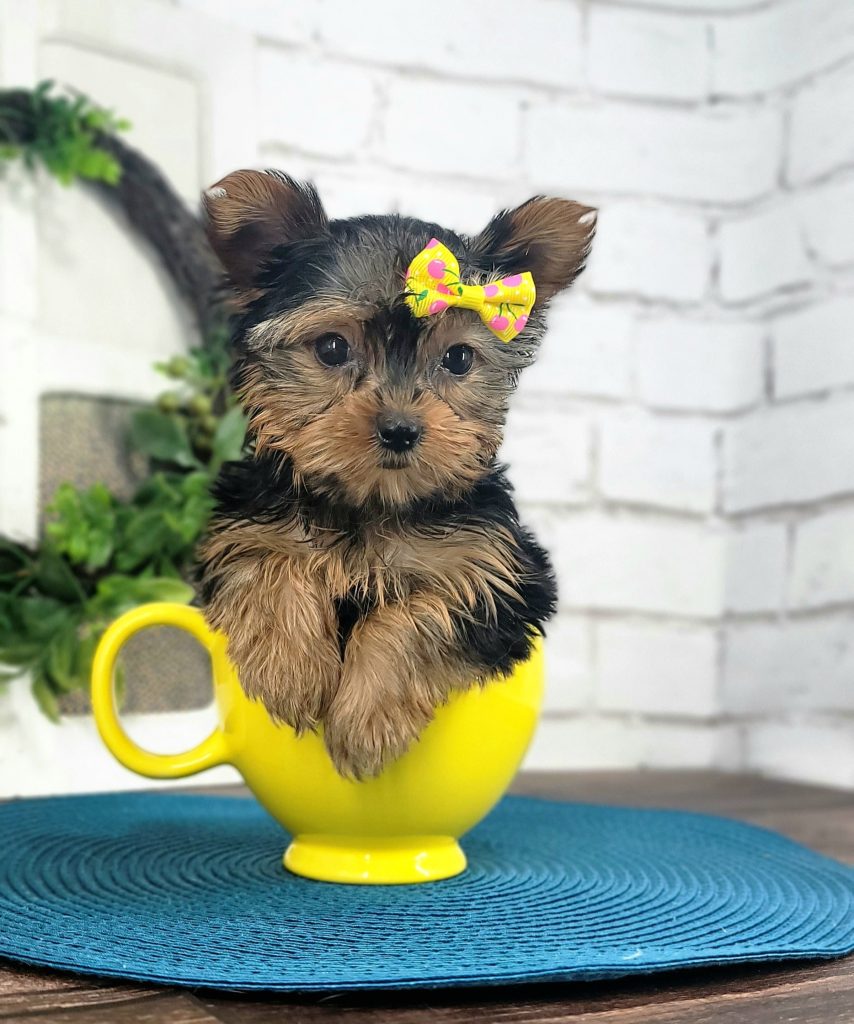
Tiny Dynamo, Big Heart: Your Ultimate Guide to the Yorkshire Terrier
Hund Yorkshire Terrier. Are you captivated by those spirited little bundles of joy with their flowing, silken coats and confident struts? Then you’re probably thinking about the magnificent Yorkshire Terrier! Often affectionately called a “Yorkie,” this breed packs an incredible amount of personality, charm, and loyalty into a pint-sized package. If you’re considering inviting one of these delightful dogs into your home, you’ve come to the right place.
In this comprehensive guide, we’ll dive deep into everything you need to know about the Yorkshire Terrier, from their intriguing history to their unique care requirements, helping you decide if this tiny dynamo is the perfect companion for you. Hund Yorkshire Terrier
A Glimpse into Their Past: The Yorkie’s Origin Story
While undeniably elegant today, the Yorkshire Terrier didn’t start life as a pampered lapdog. Their roots trace back to the mid-19th century in Yorkshire, England (hence the name!). During the Industrial Revolution, Scottish weavers migrated to Yorkshire, bringing with them a variety of small terriers – working dogs bred to catch rats and other vermin in textile mills and coal mines. Hund Yorkshire Terrier
These early Yorkies were larger than their modern counterparts and were specifically bred for their tenacity and bravery. Over time, through careful breeding programs, they became smaller, their coats grew longer and silkier, and their popularity soared, transitioning from working-class rodent catchers to fashionable companions for the Victorian elite. They were officially recognized by the Kennel Club in 1886. Isn’t it fascinating how much history a little dog can carry?
Appearance: The Iconic Look of a Yorkie
When you picture a Yorkshire Terrier, you probably envision that distinctive, elegant appearance. They are truly unmistakable! Despite their small stature, they carry themselves with an air of importance. Hund Yorkshire Terrier
Let’s break down some of their key physical characteristics: Hund Yorkshire Terrier
Table 1: Key Physical Characteristics of the Yorkshire Terrier
| Feature | Description |
|---|---|
| Size | Toy breed; typically 4-7 pounds (1.8-3.2 kg); 7-8 inches (18-20 cm) tall. |
| Coat | Long, silky, fine-textured, straight, and glossy. |
| Color | Classic “blue and tan.” Dark steel blue on the body and tail, rich tan on the head, chest, and legs. Puppies are born black and tan. |
| Head | Small and flat on top, with a moderate stop. V-shaped ears, often erect. |
| Eyes | Medium-sized, dark, sparkling, and keen. |
| Tail | Customarily docked to a medium length (though this practice is becoming less common in some regions). Carried slightly higher than the level of the back. |
Their most striking feature is, without a doubt, their magnificent coat. It’s often compared to human hair in texture, doesn’t have an undercoat, and, if allowed to grow long, can reach the floor! This beautiful coat, coupled with their perky expression, gives them an aristocratic charm. Hund Yorkshire Terrier
Temperament & Personality: A Big Dog in a Small Body
Don’t let their dainty appearance fool you; Yorkshire Terriers possess a personality that far outstrips their size. They are known for being:
- Brave and Confident: They have a fearless attitude and aren’t afraid to stand up for themselves, often challenging dogs much larger than they are. This “terrier tenacity” is deeply ingrained. Hund Yorkshire Terrier
- Intelligent and Alert: Yorkies are smart cookies! This makes them trainable, but also means they need mental stimulation to prevent boredom and mischief. They make excellent watchdogs, always ready to alert you to anything amiss.
- Affectionate and Devoted: Despite their feisty side, Yorkies are incredibly loving and form strong bonds with their families. They thrive on companionship and enjoy being close to their humans, whether it’s cuddling on the sofa or following you from room to room.
- Feisty and Sassy: They have a distinct “attitude”! They know what they want and aren’t shy about letting you know. This can manifest as playful bossiness or a stubborn streak during training. Hund Yorkshire Terrier
- Energetic: While they fit perfectly in an apartment, they are not couch potatoes. They love to play, explore, and have bursts of energy that require daily walks and playtime. Hund Yorkshire Terrier
Living with a Yorkie means you’ll never have a dull moment. They offer endless entertainment, profound loyalty, and perhaps a little bit of delightful drama too!
Caring for Your Yorkshire Terrier: What You Need to Know
Bringing a Yorkie into your life is a commitment, but a truly rewarding one. Here’s what you’ll need to consider for their care:
1. Grooming: The Crown Jewel of a Yorkie
A Yorkie’s signature long, silky coat requires significant attention. Regular grooming is essential, not just for aesthetics but for their health and comfort.
Here’s your grooming checklist:
- Daily Brushing: To prevent mats and tangles, especially if their coat is kept long. Use a pin brush and a metal comb.
- Regular Baths: Their hair can get oily and dirty quickly. Aim for a bath every 1-2 weeks using a gentle dog shampoo and conditioner.
- Professional Grooming: Many owners opt for a professional groomer every 4-6 weeks to trim the coat, clean ears, and trim nails. You might choose to keep their coat in a “puppy cut” for easier maintenance. Hund Yorkshire Terrier
- Top Knot: If you let the hair grow long on their head, it’s crucial to tie it up in a “top knot” to keep it out of their eyes and prevent irritation.
- Dental Care: Yorkies are prone to dental issues. Daily tooth brushing with dog-specific toothpaste is highly recommended, along with regular professional dental cleanings. Hund Yorkshire Terrier
- Ear Cleaning: Check and clean their ears weekly to prevent infections.
- Nail Trims: Trim their nails every 2-4 weeks, or as needed, to prevent them from getting too long and causing discomfort.
2. Exercise: Keeping Them Active
Despite their small size, Yorkies are not content to sit around all day. They need regular exercise to stay healthy and happy.
- Daily Walks: At least two short walks a day (15-20 minutes each) are usually sufficient. They love to explore and sniff around.
- Playtime: Engage them in indoor games like fetch or tug-of-war. They enjoy puzzle toys that challenge their minds.
- Secure Environment: Always keep them on a leash when outside a fenced area, as their strong prey drive might lead them to chase after small animals. Their small size also makes them vulnerable to larger predators or accidental injuries. Hund Yorkshire Terrier
3. Training & Socialization: Shaping a Well-Mannered Companion
Yorkies are intelligent, but their spirited nature can sometimes make them a bit stubborn. Early and consistent training is key.
- Early Socialization: Expose your Yorkie puppy to a variety of sights, sounds, people, and other well-behaved dogs from a young age. This helps them grow into confident, well-adjusted adults. Hund Yorkshire Terrier
- Positive Reinforcement: Use treats, praise, and toys to reward desired behaviors. They respond best to positive, consistent methods.
- Crate Training: This can be very beneficial for house-training and providing a safe den for your Yorkie.
- Leash Training: Start early to ensure they walk politely on a leash. Hund Yorkshire Terrier
- Address Barking: Yorkies can be prone to excessive barking due to their watchdog instincts. Consistency in training them when to bark and when to be quiet is important. Hund Yorkshire Terrier
4. Diet: Fueling Your Tiny Friend
As a small breed, Yorkies have a fast metabolism but can be prone to weight gain if overfed.
- High-Quality Small Breed Dog Food: Choose a premium dog food formulated for small breeds, as it will have appropriate kibble size and nutrient balance.
- Portion Control: Follow feeding guidelines on your dog food bag and adjust as needed to maintain a healthy weight. Usually two small meals a day.
- Fresh Water: Always provide access to fresh, clean water. Hund Yorkshire Terrier
- Treats in Moderation: Use treats sparingly, especially during training, to avoid overfeeding.
Health Considerations: Keeping Your Yorkie Healthy
Like all breeds, Yorkshire Terriers are predisposed to certain health conditions. Being aware of these can help you provide the best possible care.
Table 2: Common Health Issues in Yorkshire Terriers
| Condition | Description |
|---|---|
| Patellar Luxation | “Slipping kneecap”; the kneecap moves out of its normal groove. Can cause limping or pain. |
| Tracheal Collapse | Weakening of the cartilage rings in the windpipe, leading to a “goose-honk” cough. |
| Portosystemic Shunt (PSS) | A congenital condition where blood bypasses the liver, preventing toxins from being filtered. |
| Dental Disease | Prone to plaque and tartar buildup, leading to gum disease and tooth loss if not managed. |
| Hypoglycemia | Low blood sugar, especially in puppies, due to their small size and fast metabolism. |
| Legg-Calve-Perthes Disease | Degeneration of the head of the femur, leading to hip pain and lameness. |
Regular veterinary check-ups are crucial for early detection and management of any health issues. Choosing a reputable breeder who screens their breeding dogs for genetic conditions can also significantly reduce the risk. Hund Yorkshire Terrier
Is a Yorkie Right for You?
So, after all this information, are you wondering if a Yorkshire Terrier is the perfect addition to your family?
Consider these points:
- Apartment Living: Absolutely! Their small size makes them ideal for apartments or smaller homes, as long as they get their daily walks and playtime.
- Families with Children: Yorkies can thrive in families with older, respectful children who understand how to interact gently with a small dog. Their delicate bones mean they can be easily injured by rough play. Hund Yorkshire Terrier
- First-Time Owners: While intelligent, their grooming needs and potential stubborn streak might be a bit much for a complete novice. However, with dedication and professional guidance, they can be a wonderful first dog.
- Time Commitment: They are highly social and thrive on human companionship. If you’re away for long hours, they might suffer from separation anxiety.
Here’s a quick summary of the pros and cons:
Pros of Owning a Yorkie:
- Highly affectionate and loyal.
- Great watchdogs (will alert you to visitors).
- Portable (easy to travel with).
- Don’t require a large living space.
- Hypoallergenic-ish (their hair-like coat may be better for allergy sufferers, but no dog is truly 100% hypoallergenic).
- Full of personality and entertainment.
Cons of Owning a Yorkie:
- Require extensive grooming.
- Can be prone to health issues.
- Prone to barking.
- Can be fragile due to small size.
- Can be stubborn during training.
- Need consistent socialization.
Conclusion: A Loyal Companion Awaits
The Yorkshire Terrier is a truly remarkable breed – a tiny dog with an enormous heart and an even bigger personality. They are spirited, loving, and will undoubtedly bring endless joy, laughter, and perhaps a touch of sassy charm to your life. If you’re ready for the grooming commitment and can provide them with consistent training, plenty of love, and a secure environment, you’ll find an incredibly devoted and spirited companion in a Yorkie.
Are you ready to welcome this tiny dynamo into your heart and home?
Frequently Asked Questions about Yorkshire Terriers
Q1: Do Yorkshire Terriers shed a lot? A1: No, Yorkies are considered low-shedding dogs. Their coat is more like human hair than typical dog fur. While they do lose individual hairs, it’s not the same as shedding an undercoat, making them a popular choice for people with allergies. However, no dog is truly 100% hypoallergenic. Hund Yorkshire Terrier
Q2: Are Yorkies good with children and other pets? A2: Yorkies can be good with older, respectful children who understand how to interact gently with a small dog. Due to their delicate bones, they are not ideal for homes with very young or boisterous children. With proper socialization, they can get along with other pets, but their terrier instincts might make them chase smaller animals like hamsters or cats if not introduced carefully. They often enjoy the company of other dogs. Hund Yorkshire Terrier
Q3: How long do Yorkshire Terriers typically live? A3: With proper care, Yorkshire Terriers typically live for a good long time, usually between 12 to 15 years, and some even live longer! Regular vet check-ups, a healthy diet, and appropriate exercise contribute to their longevity.
Q4: Are Yorkshire Terriers difficult to train? A4: Yorkies are intelligent and eager to please their owners, which makes them generally trainable. However, they also possess a stubborn and independent streak, a common terrier trait. Consistency, patience, and positive reinforcement methods are key. Early socialization and puppy classes are highly recommended to help them become well-behaved companions. Hund Yorkshire Terrier
Q5: How much exercise does a Yorkie need? A5: Despite their small size, Yorkies are energetic and need regular activity. About 20-30 minutes of daily exercise, split into a couple of walks and some indoor playtime, is usually sufficient. They love to explore and play games, but make sure they are always on a leash in unfenced areas due to their strong prey drive.
Q6: Do Yorkies bark a lot? A6: Yes, Yorkies can be prone to barking. Their history as alert watchdogs means they are quick to sound the alarm at strange noises or visitors. This trait can be managed with consistent training and by teaching them when it’s appropriate to bark and when to be quiet.