
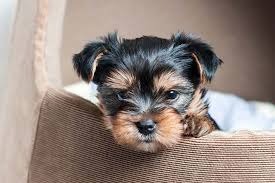
The Enchanting Blue Merle Yorkshire Terrier: A Splash of Color and Personality
Blue Merle Yorkshire Terrier. When you picture a Yorkshire Terrier, chances are you envision that classic steel-blue and tan coat, a tiny bundle of aristocratic charm. But what if I told you there’s a variation that adds a whole new dimension of visual appeal? Prepare to be captivated by the Blue Merle Yorkshire Terrier, a stunning and relatively rare twist on this beloved breed. If you’re considering adding a dog to your life, or simply have a soft spot for unique canine companions, the blue merle Yorkie might just steal your heart.
More Than Just a Pretty Face: Understanding the Merle Gene
Before we dive into the specifics of the blue merle Yorkie, let’s take a moment to understand what gives them their distinctive coloration. The merle gene is a fascinating genetic trait that affects pigment distribution. In simple terms, it causes patches of diluted color to appear on a base coat.
For a blue merle Yorkshire Terrier, this means instead of a solid steel blue, you’ll see areas of a lighter, silvery-blue intermingled with the classic tan markings. This creates a beautiful, marbled or mottled effect that is truly eye-catching. It’s important to note that the merle gene is a dominant gene, meaning if a dog inherits just one copy of the merle gene, they will display the merle pattern. Blue Merle Yorkshire Terrier
The Appeal of the Blue Merle Yorkie: A Unique Aesthetic
Let’s be honest, the visual appeal of the blue merle Yorkie is undeniable. The contrast between the silvery-blue patches and the rich tan is striking. You might find merles with varying degrees of dilution, from subtle flecks to more pronounced, larger patches. This means that no two blue merle Yorkies are exactly alike, making each one a truly individual work of art. Blue Merle Yorkshire Terrier
Beyond the captivating coat, the blue merle Yorkie generally inherits the same delightful personality traits as their traditional counterparts. They are:
- Spirited and Energetic: Don’t let their small size fool you! Yorkies are known for their boundless energy and playful spirit. They love to romp, play, and explore. Blue Merle Yorkshire Terrier
- Intelligent and Trainable: These intelligent little dogs are generally eager to please, making them relatively easy to train. Positive reinforcement methods work best.
- Loyal and Affectionate: Once they bond with their family, Yorkies become incredibly devoted. They thrive on companionship and love to be by your side.
- Confident and Brave: Despite their diminutive stature, Yorkies often possess a bold and sometimes feisty personality. They can be surprisingly courageous and are not afraid to speak their minds!
- Great Watchdogs: Their alertness and tendency to bark at perceived intruders make them excellent little watchdogs.
What to Expect: Size, Temperament, and Health Considerations
While the merle gene primarily affects coat color, it’s worth discussing the general characteristics you can expect from a blue merle Yorkshire Terrier.
Size: Just like their non-merle siblings, blue merle Yorkies are a toy breed. You can expect them to be on the smaller side, typically weighing between 3 to 7 pounds and standing around 7 to 8 inches tall at the shoulder. Blue Merle Yorkshire Terrier
Temperament: As mentioned, the merle gene itself doesn’t typically alter temperament. You’ll find the same spunky, affectionate, and intelligent personality in a blue merle Yorkie as you would in a classic Yorkie. However, it’s crucial to remember that individual personalities can vary, and early socialization and consistent training are key to raising a well-adjusted dog, regardless of color. Blue Merle Yorkshire Terrier
Health Considerations:
The merle gene, when inherited in a single copy (heterozygous merle), is generally not associated with significant health problems. However, there’s a crucial point to understand regarding merle genetics. When two merle dogs are bred together, there is a chance of producing a double merle puppy.
Double Merles (Homozygous Merle): This occurs when a puppy inherits the merle gene from both parents. Double merles are at a significantly higher risk for serious health issues, including:
- Deafness: Often bilateral (affecting both ears).
- Vision Impairments: Including microphthalmia (abnormally small eyes) and other ocular abnormalities.
- Skeletal Defects: Such as cleft palates or other malformations. Blue Merle Yorkshire Terrier
This is why responsible breeders will never intentionally breed two merle dogs together. They meticulously plan their pairings to avoid producing unhealthy double merle puppies. If you are considering a blue merle Yorkie, it is paramount to work with a reputable breeder who understands and practices responsible breeding. Blue Merle Yorkshire Terrier
Here’s a table summarizing key characteristics:
| Feature | Description |
|---|---|
| Breed | Yorkshire Terrier |
| Color Variation | Blue Merle (patches of diluted blue/silver on a base coat with tan markings) |
| Size | Toy Breed: Typically 3-7 lbs, 7-8 inches tall at the shoulder. |
| Temperament | Spirited, intelligent, loyal, affectionate, confident, brave, alert. Generally similar to standard Yorkies. |
| Lifespan | 12-15 years (typical for Yorkshire Terriers). |
| Grooming | High maintenance. Requires daily brushing to prevent tangles and mats. Regular professional grooming is recommended. |
| Exercise Needs | Moderate. Daily walks and play sessions are sufficient for this small breed. |
| Trainability | Generally good with positive reinforcement. Can be prone to stubbornness if not consistently trained. |
| Health Concerns | Standard Yorkie concerns (e.g., dental issues, luxating patella, hypoglycemia in puppies) + potential merle-related issues (especially if from irresponsible breeding). |
Bringing Home Your Blue Merle Gem: What to Consider
If you’ve fallen for the allure of the blue merle Yorkshire Terrier, here are some important factors to consider before welcoming one into your home:
- Reputable Breeder is Key: This cannot be stressed enough. Seek out breeders who are knowledgeable about the merle gene, prioritize the health and temperament of their dogs, and are transparent about their breeding practices. Ask about health testing for common Yorkie issues and for the parent dogs’ merle status.
- Grooming Commitment: Yorkies, including blue merles, have long, silky hair that requires significant grooming. Daily brushing is essential to prevent mats and tangles. Many owners opt for regular professional grooming to maintain their Yorkie’s coat.
- Socialization and Training: Early and consistent socialization is crucial for any dog, and Yorkies are no exception. Expose your puppy to various sights, sounds, people, and other well-behaved dogs. Positive reinforcement training will help harness their intelligence and build a strong bond.
- Exercise and Mental Stimulation: While they are a small breed, blue merle Yorkies still need their daily dose of exercise. Short walks and indoor play sessions will keep them physically fit. Puzzle toys and interactive games will provide the mental stimulation they crave.
- Potential for Barking: Yorkies are known for being vocal. Be prepared for a dog that will alert you to anything out of the ordinary. Consistent training can help manage excessive barking.
- Health Awareness: Be aware of the typical health concerns for Yorkshire Terriers. Regular veterinary check-ups are essential. If you’re considering a merle, inquire about any specific health screenings your breeder performs related to the merle gene.
Grooming Your Blue Merle Marvel: A Daily Ritual
The beautiful coat of a blue merle Yorkshire Terrier, like any Yorkie, is a significant commitment. Their silky, floor-length hair requires daily attention.
Here’s a breakdown of essential grooming practices:
- Daily Brushing: Use a good quality slicker brush and a metal comb to work through your Yorkie’s coat, paying close attention to areas prone to matting like behind the ears, under the legs, and around the tail.
- Bathing: Bathe your Yorkie as needed, typically every 2-3 weeks, using a high-quality dog shampoo and conditioner formulated for long coats.
- Trimming: Many owners choose to keep their Yorkie’s hair trimmed to a more manageable length, often referred to as a “puppy cut” or “teddy bear cut.” This significantly reduces grooming time.
- Nail Trims: Trim your dog’s nails regularly to prevent overgrowth and discomfort.
- Ear Cleaning: Check and clean your Yorkie’s ears weekly to prevent infections.
- Dental Care: Dental hygiene is especially important for small breeds. Brush your Yorkie’s teeth regularly with dog-specific toothpaste.
Top Tips for Training Your Blue Merle Yorkie
Training your blue merle Yorkie should be a rewarding experience. Here are some tips to make it successful:
- Start Early: Begin socialization and basic obedience training as soon as you bring your puppy home.
- Positive Reinforcement: Use praise, treats, and toys to reward desired behaviors. This breed responds well to positive encouragement.
- Short, Frequent Sessions: Keep training sessions brief and engaging to maintain your Yorkie’s attention.
- Consistency is Key: Ensure all family members are using the same commands and methods.
- Socialization is Crucial: Expose your Yorkie to different environments, people, and well-behaved dogs from a young age.
- Address Barking: Be proactive in managing barking by redirecting attention and rewarding quiet behavior.
- Potty Training: Be patient and consistent with potty training. Accidents will happen, so clean them up thoroughly and don’t punish.
Frequently Asked Questions About Blue Merle Yorkshire Terriers
Q1: Are blue merle Yorkies rare? A1: Yes, blue merle is a less common color variation in Yorkshire Terriers compared to the traditional steel blue and tan. This rarity can contribute to their unique appeal and potentially higher cost.
Q2: Are blue merle Yorkies more expensive? A2: Due to their rarity and demand, blue merle Yorkshire Terriers can sometimes be more expensive than their traditional-colored counterparts. However, price can vary greatly depending on the breeder, lineage, and location.
Q3: Do blue merle Yorkies have health problems related to their color? A3: When a Yorkie has only one copy of the merle gene (heterozygous merle), it generally does not cause health problems. However, breeding two merle dogs together can result in double merles, who are at high risk for deafness and vision impairments. Reputable breeders will never breed two merles together.
Q4: What is the difference in temperament between a blue merle Yorkie and a standard Yorkie? A4: The merle gene primarily affects coat color and is not typically associated with significant temperament differences. Blue merle Yorkies generally share the same spirited, intelligent, and affectionate personality as standard Yorkshire Terriers.
Q5: How much grooming do blue merle Yorkies need? A5: Like all Yorkshire Terriers, blue merles have long, silky hair that requires daily brushing to prevent mats and tangles. Regular professional grooming is also recommended.
Q6: Are blue merle Yorkies good family dogs? A6: Yes, with proper socialization and training, blue merle Yorkshire Terriers can make wonderful family pets. They are loyal and affectionate and typically do well with older children who understand how to interact gently with small dogs.
The Final Paw-sitive Note
The blue merle Yorkshire Terrier is a truly special dog, offering a rare and beautiful twist on an already beloved breed. Their striking coat, combined with the classic Yorkie personality, makes them an irresistible companion. If you’re drawn to their unique charm, remember that responsible ownership, including choosing a reputable breeder and committing to their care and grooming needs, will ensure you have a happy and healthy blue merle friend for years to come. Their splash of color and their boundless personality are sure to bring joy and a touch of magic into your life!