
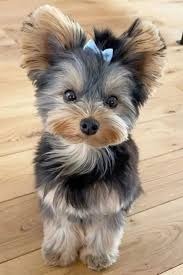
The Mighty Mite: Everything You Need to Know About the Yorkshire Terrier
Yorksher Terrier. If you’ve ever encountered a Yorkshire Terrier—a compact package of silky hair, fierce loyalty, and boundless energy—you know that good things truly come in small packages. Often referred to simply as the “Yorkie,” these dogs possess a unique combination of glamorous looks and a working-class attitude.
Maybe you’re considering adding one of these sparkling personalities to your home, or perhaps you already share your couch with a Yorkie and want to understand them better. Either way, you’ve landed in the right place. We’re diving deep into the world of this beloved toy breed, exploring their history, their complex grooming needs, and how you can best cater to their surprisingly sturdy personalities. Yorksher Terrier
Meet the Boss: A History Lesson
Despite their current status as lapdogs and accessories to the wealthy, the Yorkie has surprisingly gritty, working-class roots. To truly appreciate the modern Yorkie, you have to rewind to England during the Industrial Revolution. Yorksher Terrier
In the mid-19th century, Scottish weavers migrated to Yorkshire, England, bringing with them several small terrier breeds—likely including the Paisley Terrier and the Skye Terrier. These were not show dogs; they were working dogs. Their primary job was simple but necessary: controlling rats and vermin in textile mills and coal mines. Their small stature allowed them to chase pests into tiny crevices where larger dogs couldn’t follow.
The breed was originally known as the “Broken-Haired Scotch Terrier,” but as they were refined in Yorkshire, they eventually earned the name we know today. It wasn’t until the late 19th century that they started gaining popularity as companions, particularly among Victorian ladies who appreciated their beautiful coats and diminutive size. Yorksher Terrier
When you see your Yorkie barking fiercely at the postman, remember that this isn’t just an adorable quirk—it’s instinct. You are looking at the descendant of a tenacious mill worker!
Big Dog Energy in a Tiny Package
Perhaps the most universally agreed-upon characteristic of the Yorkie is their temperament: they are often described as having “big dog energy.” They are spirited, brave, and wonderfully confident, often seeming completely unaware of their tiny stature (typically 7 pounds or less).
However, living with a Yorkie requires understanding their complexities. They are fiercely devoted to their families but can be suspicious of strangers and other dogs if not properly socialized early on. Yorksher Terrier
Key Personality Traits You Should Know
If you are welcoming a Yorkie into your life, prepare for a constant source of entertainment and affection. Here are the traits that define this incredible breed:
- Loyalty Above All: Yorkies bond deeply with their primary caregivers and thrive on human companionship. They generally prefer to be in the same room as you, if not directly on your lap. Yorksher Terrier
- Highly Alert and Protective: Due to their historical role as ratters and alarm dogs, Yorkies possess excellent hearing and are quick to sound the alarm. This makes them good watchdogs, but also means they can be prone to barking if not managed through training.
- Clever and Trainable (But Stubborn): They are intelligent and pick up new commands quickly. However, that intelligence is often coupled with a strong will. Consistency is key, especially with house training, which can sometimes be a challenge with toy breeds.
- Energetic Playmates: While they don’t require miles of running, they are far from sedentary. They love brisk walks and engaging play sessions, especially fetching toys or participating in indoor agility games. Yorksher Terrier
The Glamour Factor: Comprehensive Grooming Needs
The Yorkie coat is their crowning glory. Unlike most dogs, their hair is fine, silky, and constantly growing, often described as very similar to human hair. This is excellent news for allergy sufferers, as Yorkies shed very little, but it means their grooming requirements are rigorous.
Ignoring their coat is a recipe for painful matting, skin issues, and frequent emergency trips to the groomer. If you want the traditional floor-length coat, be prepared for a daily commitment. Most owners opt for the shorter “puppy cut” for easier maintenance. Yorksher Terrier
To keep your Yorkie healthy and comfortable, you need a disciplined routine.
| Task | Frequency | Notes for the Yorkie Owner |
|---|---|---|
| Brushing | Daily | Mandatory for long coats; use a pin brush and detangling spray. Focus on friction areas (under the legs, behind the ears). |
| Bathing | Weekly or Bi-weekly | Use high-quality, moisturizing dog shampoo and conditioner to keep the coat silky and prevent breakage. |
| Dental Care | Daily or Every Other Day | Yorkies are notoriously prone to severe dental disease. Brushing their tiny teeth frequently is non-negotiable. |
| Hair Trimming (Eyes/Sanitary) | Every 3–4 Weeks | Even with a short cut, hair around the eyes must be trimmed or tied up (using a small, dedicated bow or clip) to prevent irritation and corneal ulcers. |
| Nail Trimming | Bi-weekly | Small dogs need frequent nail trims as they don’t wear them down as easily as larger breeds. |
Health and Wellness Considerations
Yorkies have a wonderful average lifespan, often living 12 to 15 years, sometimes even longer! However, like all pure breeds, they are predisposed to certain health conditions that you, as a loving owner, need to be aware of. Yorksher Terrier
- Dental Disease: As noted above, this is the most common issue. Their small mouths crowd their teeth, making plaque and tartar buildup fast and aggressive. Regular dental cleanings (often needed yearly by a vet) and at-home care are vital.
- Luxating Patella: This is a condition common in toy breeds where the kneecap temporarily slips out of place. It can cause limping or a slight skip in their gait.
- Hypoglycemia (Low Blood Sugar): Especially concerning for tiny puppies and very small adults. Yorkies must eat regularly, and if they miss a meal or overexert themselves, their blood sugar can drop dangerously low. Yorksher Terrier
- Tracheal Collapse: Often triggered by excitement, stress, or pulling hard on a leash. Always use a harness instead of a collar when walking a Yorkie to prevent strain on their delicate trachea. Yorksher Terrier
Living the Yorkie Life: A Practical Guide
Bringing a Yorkie into your home is an incredibly rewarding experience, but they are not the best fit for every lifestyle. Here’s what you need to consider before welcoming your new tiny overlord.
Training and Socialization
Early socialization is crucial. Expose your Yorkie puppy to a wide variety of sounds, people, and safe, vaccinated adult dogs. This helps mitigate their natural tendency toward suspicion and excessive barking.
When it comes to training, their intelligence makes them receptive, but their stubbornness requires consistency. Positive reinforcement (treats and praise) works wonders. Crate training is highly recommended for security and assisting with housebreaking. Yorksher Terrier
Safety First: The Fragility Factor
This is perhaps the most important safety note for Yorkie ownership: They are fragile.
Because of their small size, they are particularly vulnerable to accidental injury. They should never be left unsupervised with large dogs or very young children who might accidentally drop or step on them. A fall off a high couch or bed can lead to broken bones. Treat them with the care and caution you would afford a toddler. Yorksher Terrier
Ideal Living Situation
Yorkies make fantastic apartment dogs, provided their barking tendency is managed through training. They require mental stimulation and daily walks, but do not need a massive yard. Their primary need is human companionship; they do not do well when left alone for long periods. If you work a 9-to-5 job away from home, you may need to arrange for a dog sitter or midday check-ins. Yorksher Terrier
Frequently Asked Questions (FAQ)
Q1: Do Yorkshire Terriers shed? Are they hypoallergenic?
Yorkies shed very little because their coat is hair, not fur. While no dog breed is 100% hypoallergenic (allergies are triggered by dander, not hair itself), Yorkies are often tolerated well by people with mild pet allergies, making them a popular choice. Yorksher Terrier
Q2: Are Yorkies good with children?
Yorkies can be good family pets, but they are generally recommended for homes with older, gentle children (over 8 years old). Because they are so small and delicate, they can be easily injured by rowdy toddlers. Additionally, a Yorkie might snap if cornered or handled roughly. Yorksher Terrier
Q3: How much exercise does a Yorkie need?
Yorkies are energetic but their size means they tire easily. About 20 to 30 minutes of walking per day, broken into two sessions, is usually sufficient, combined with indoor play. Mental exercise (like puzzle toys) is just as important as physical exercise. Yorksher Terrier
Q4: Are Yorkies prone to barking?
Yes, they absolutely are. Their historical role as alarm dogs means they are quick to alert you to any perceived threat—be it a squirrel, a leaf, or the doorbell. Early obedience training focusing specifically on “quiet” commands is essential to manage this trait. Yorksher Terrier
Bringing It All Together
The Yorkshire Terrier is a fantastic breed defined by a captivating blend of elegance and tenacity. They demand dedication, particularly in terms of grooming and early safety protocols, but they repay that effort tenfold with fierce loyalty, endless cuddles, and a personality that is far bigger than their tiny footprint.
If you are looking for a spirited companion ready to be the center of your universe, the magnificent Yorkie might just be your perfect match.