
The Regal Ribbon Dog: Everything You Need to Know About the Biewer Yorkie (Biro Yorki)
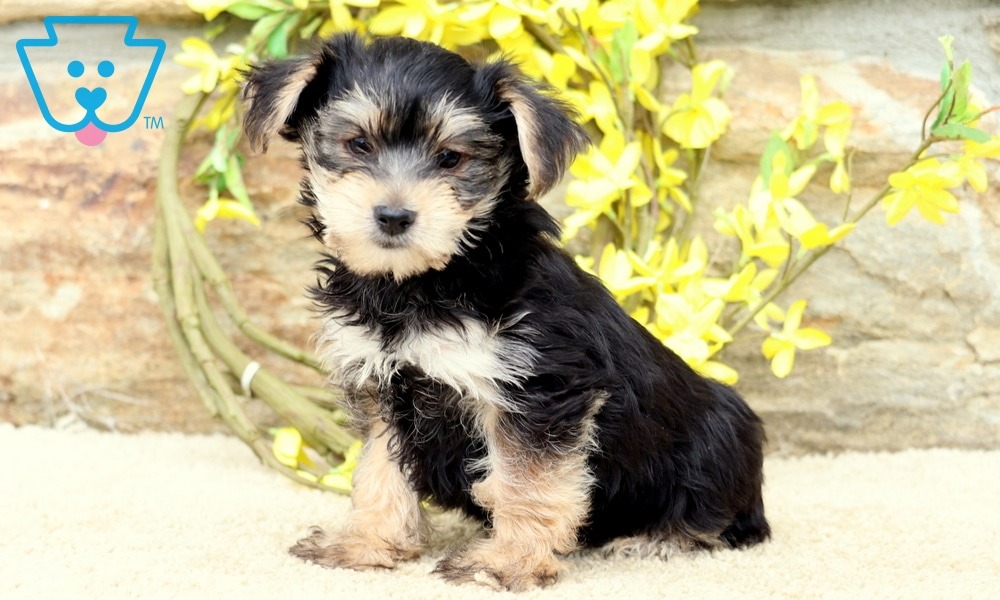
Biro Yorki. If you’ve ever spotted a tiny, elegant dog with a flowing, tri-color coat—a veritable model of canine sophistication—you might have encountered the magnificent Biewer Terrier. Often affectionately, or mistakenly, referred to as the “Biro Yorki,” this breed is quickly capturing hearts worldwide.
But what exactly is a Biewer Yorkie, and why do they sometimes go by so many different names?
If you’re considering bringing one of these playful, ribbon-loving companions into your life, you’ve come to the right place. We are diving deep into the history, care, and distinct personality of the Biewer Terrier, ensuring you know exactly what treasures await you!
Decoding the Name: Biewer, Biro, and Yorki
Before we go further, let’s clear up the nomenclature. The correct, official name for this breed is the Biewer Terrier a la Pom Pon.
- Biewer (pronounced Beaver): This is the official name, honoring the German breeders, Gertrud and Werner Biewer, who developed the breed.
- Yorki: The Biewer is a descendant of the Yorkshire Terrier, which is why the “Yorki” suffix often sticks around. Biro Yorki
- Biro: This term is sometimes used erroneously, perhaps as a phonetic misspelling or a localized nickname. While you might see “Biro Yorki” in searches, the dog you are interested in is the Biewer Terrier.
Regardless of what you call them, the Biewer Terrier is a distinct, purebred dog known for one major difference from the traditional Yorkie: color.
A Royal Origin Story: From Germany to Global Recognition
The story of the Biewer Terrier isn’t one of ancient tradition; it’s a relatively modern tale that began in Germany in the 1980s.
In Hunsrück, Germany, Gertrud and Werner Biewer were well-known breeders of traditional Yorkshire Terriers. In 1984, they experienced a delightful surprise: a puppy was born in their litter with unusual white markings alongside the traditional blue and gold. This was the result of a recessive piebald gene mutation.
Instead of dismissing the puppy, the Biewers were fascinated. They dedicated themselves to selectively breeding these tri-color dogs, eventually establishing a stable line that maintained the unique coloration. Biro Yorki
They officially presented their new creation—initially called the Biewer Yorkshire Terrier à la Pom Pon—in 1986. The name “à la Pom Pon” was added because Gertrud Biewer famously adorned her dogs with cute little bows or pompoms. Biro Yorki
The Path to Independent Recognition
For years, the Biewer was considered a variation of the Yorkshire Terrier. However, through rigorous genetic testing and persistent campaigning by U.S. breeders, it was proven that the Biewer had a distinct genetic makeup. Biro Yorki
- 2014: The Biewer Terrier was accepted into the American Kennel Club (AKC) Foundation Stock Service (FSS).
- 2021: The Biewer Terrier achieved full recognition as the 197th breed by the AKC, cementing its status as an independent breed.
This recognition means that your Biewer is no longer just a color mutation; they are the result of careful breeding aimed at promoting health, specific conformation (structure), and their famously joyful temperament. Biro Yorki
Appearance and Temperament: The Definition of Dainty and Devoted
If you are looking for a pet that combines the elegant look of a show dog with the spirited personality of a terrier, the Biewer is an ideal match.
Distinctive Appearance
The Biewer is a toy breed, meaning they are small, compact, and highly portable.
| Characteristic | Measurement / Description |
|---|---|
| Weight | Typically 4 to 8 pounds (1.8 to 3.6 kg) |
| Height | 7 to 11 inches at the shoulder |
| Coat Texture | Long, silky, straight, single coat (no undercoat) |
| Tail | Carried high over the back; full plume |
| Key Distinction | The tri-color pattern; the most prized coloring is symmetrical. |
The Tri-Color Standard: The official Biewer standard requires a brilliant tri-color combination, which must include white or black/blue banding on the body, chest, and legs, and a symmetrical tri-color pattern on the face (typically white, blue, and gold).
Winning Temperament
You might see their ribbon-adorned heads and assume they are delicate, but don’t be fooled! Biewers possess a spirited, confident, and highly affectionate nature. They are often described as “little clowns.”
- Playful and Energetic: They retain the terrier’s vigor and love active play, though their small size means a good romp indoors or a short walk often satisfies them. Biro Yorki
- Highly Sociable: They thrive on human interaction and genuinely believe the world revolves around them (and it often does!). They are excellent companion dogs but are prone to separation anxiety if left alone too long.
- Intelligent and Trainable: Biewers are smart and respond very well to positive reinforcement. They enjoy learning tricks and excel in canine sports like agility, even in miniature form. Biro Yorki
- Good with Families: If socialized early, they are wonderful with children, though supervision is required due to their fragility.
Essential Care and Maintenance for Your Biewer
Caring for a Biewer Terrier requires commitment, particularly concerning their show-stopping coat. Because they lack an undercoat, they are famously low-shedding, which is a big plus for allergy sufferers. However, a low-shedding coat means high-maintenance grooming.
A Quick Guide to Biewer Care
Here are the key areas you need to focus on to keep your Biewer healthy and happy:
Grooming and Hygiene (The Major Commitment)
- Daily Brushing: The Biewer’s long, silky hair mats easily. You must brush them daily, using a pin brush and a metal comb to work through the coat down to the skin. Biro Yorki
- Bathing: Bathe your Biewer weekly or every two weeks using high-quality moisturizing shampoo and conditioner to prevent breakage and tangles.
- “Top Knot” Care: If you keep the coat long, the hair above their eyes must be tied up in a top knot (the “pom pon”) to prevent irritation and eye issues.
- Professional Grooming: Many owners opt for a professional cut (like a “puppy cut”) every 6-8 weeks to simplify at-home care.
Exercise and Lifestyle
- Moderate Exercise: As a toy breed, their exercise needs are modest—30 minutes a day of playtime and easy walks is usually enough.
- Apartment Living: Biewers are highly adaptable and excel in apartment or condo settings, as long as they get dedicated interaction time.
Health and Wellness
- Dental Care: Toy breeds are prone to dental disease. Daily brushing is highly recommended, along with professional cleanings as advised by your vet.
- Common Concerns: While generally healthy, Biewers can be susceptible to patellar luxation (slipping kneecaps), portosystemic shunt (liver issues), and hypoglycemia (low blood sugar) in very young puppies. Biro Yorki
Comparison Table: Biewer Terrier vs. Yorkshire Terrier
While they share a common ancestor, the differences between the Biewer and the standard Yorkie are significant if you are aiming for breed standard conformation. Biro Yorki
| Feature | Biewer Terrier (Biro Yorki) | Yorkshire Terrier (Standard) |
|---|---|---|
| Primary Coat Colors | Tri-color: Black/Blue, White, and Gold/Tan. White must be present on the chest/belly. | Bi-color: Blue/Black and Tan/Gold. No white required on the body. |
| Coat Standard | Long, silky, straight. | Long, silky, straight. |
| Separation | Recognized as a separate, distinct breed by the AKC since 2021. | Traditional breed, recognized by the AKC since 1885. |
| Temperament | Often described as more playful, comedic, and slightly more robust. | Can be more fiercely independent or possessive, though equally loving. |
| Origin | Germany (1980s) | England (19th Century) |
Frequently Asked Questions (FAQ) About the Biewer Yorki
If you’re captivated by this gorgeous breed, you likely have some lingering questions. Biro Yorki
Q1: Are Biewer Terriers truly hypoallergenic?
A: No dog is 100% hypoallergenic, as people react to dander (skin flakes) and saliva, not just hair. However, because the Biewer has a single coat that doesn’t shed much (the hair is more like human hair and falls out only when brushing), they are often an excellent choice for individuals with moderate pet allergies.
Q2: How much does a Biewer Terrier puppy cost?
A: Due to their recent independent recognition, rarity, and highly sought-after pedigree, Biewer Terriers are generally expensive. You can expect a puppy from a reputable, health-testing breeder to cost anywhere from $2,500 to $4,500+ depending on location, lineage, and whether the dog meets show quality standards.
Q3: How long do Biewer Terriers typically live?
A: Like many toy breeds, the Biewer Terrier is known for its impressive longevity. With proper care, vaccination, and diet, their average lifespan is 12 to 15 years.
Q4: Are they good with other pets?
A: Yes, generally. Biewers are highly social and usually get along well with other dogs and cats, especially if introduced during puppyhood. However, remember they still carry some terrier instincts, so they should not be trusted off-leash in areas where small rodents might tempt them.
Q5: Do Biewer Terriers bark a lot?
A: They can be vocal. Like many small terriers, the Biewer is an excellent watchdog and will alert you to strange noises or visitors. Early and consistent training is key to managing excessive barking. Biro Yorki
Is the Biewer Yorkie Right for You?
The Biewer Terrier is a dog of elegance, humor, and deep devotion. Choosing to welcome one into your home means committing to daily grooming, providing ample affection, and enjoying the company of a four-legged friend who will always treat you like royalty.
If you are looking for a playful, low-shedding companion who can happily live in an apartment and loves to be the center of attention, the Biewer Terrier might just be your perfect match. Find a reputable breeder, prepare your grooming supplies, and get ready to fall in love with this regal ribbon dog!