
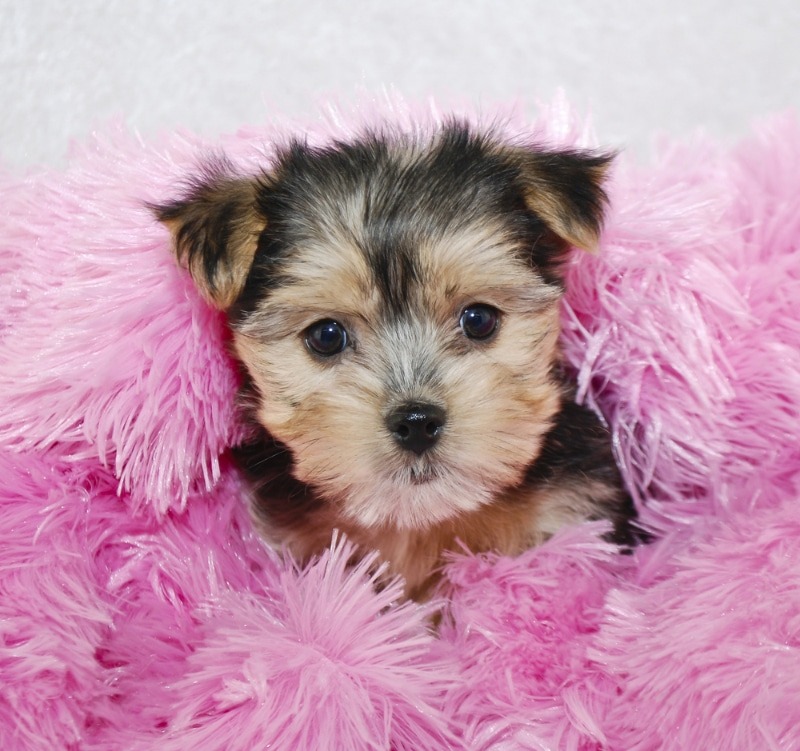
Tiny Terror, Big Heart: Is a Mini Yorkie the Perfect Pint-Sized Pal for You?
Mini Yorki. Have you ever seen a Yorkshire Terrier and thought, “Could they possibly get any cuter or more compact?” Well, prepare to have your heart stolen by the “mini Yorkie”! These adorable, pint-sized pups are often referred to as “teacup Yorkies” and have captured the hearts of many with their irresistible charm and audacious personalities, all packed into an incredibly small frame.
But what exactly is a mini Yorkie, and are they the right furry companion for your lifestyle? If you’re considering welcoming one of these delicate darlings into your home, you’ve come to the right place. We’re going to dive deep into the world of mini Yorkies, exploring their unique characteristics, special needs, and what you need to know to be a responsible and loving owner.
What Exactly is a “Mini Yorkie” Anyway?
First things first, let’s clear up some terminology. It’s important to understand that a “mini Yorkie” or “teacup Yorkie” is not a separate breed from the standard Yorkshire Terrier. Instead, these terms generally refer to Yorkshire Terriers who fall significantly below the breed standard weight.
The American Kennel Club (AKC) breed standard for a Yorkshire Terrier states that they should weigh no more than seven pounds. A “mini” or “teacup” Yorkie typically weighs between two and four pounds as an adult, sometimes even less. This smaller size is usually achieved through selective breeding of the runts of litters, or sometimes by breeding two smaller-than-average Yorkies together.
While their tiny stature is undeniably appealing, it’s crucial to recognize that breeding specifically for extremely small size can sometimes come with health implications. This is why choosing a responsible breeder is paramount, but we’ll get to that later!
The Irresistible Allure of the Tiny Terrier
So, what makes these miniature marvels so captivating? It’s a combination of factors that make them incredibly popular:
- Ultimate Portability: Their small size makes them incredibly easy to travel with. They can often fit into airline-approved carriers that fit under seats, and they’re a breeze to carry around in a stylish pet bag.
- Big Personality in a Small Package: Don’t let their delicate appearance fool you! Mini Yorkies are notorious for their feisty, confident, and spirited personalities. They often forget how small they are and will boldly stand up to much larger dogs or “guard” their territory with surprising courage.
- Perfect for Small Spaces: Living in an apartment or a smaller home? A mini Yorkie might be an ideal fit. They don’t require vast amounts of space to roam and can get most of their exercise indoors with short play sessions.
- Endless Cuddles: Despite their independent streak, many mini Yorkies are affectionate and love to snuggle up with their human companions, offering warmth and comfort.
Understanding Their Unique Needs: More Than Just a Cute Face
While mini Yorkies offer immense joy, their small size does come with specific considerations and potential challenges that prospective owners must be aware of. Owning one requires extra vigilance and a commitment to their unique care requirements.
Health Concerns: Tiny Bodies, Bigger Risks
Due to their extremely small stature, mini Yorkies can be more susceptible to certain health issues than their standard-sized counterparts. It’s vital to be informed about these potential conditions:
| Health Concern | Description |
|---|---|
| Hypoglycemia (Low Blood Sugar) | Common in puppies and very small adults, especially if they skip meals or are stressed. Symptoms include lethargy, trembling, disorientation, and seizures. Requires frequent, small meals and immediate attention if symptoms appear. |
| Patellar Luxation (Slipping Kneecaps) | A common orthopedic issue in small breeds where the kneecap slips out of place. Can cause lameness, pain, and may require surgery in severe cases. |
| Tracheal Collapse | The rings of the trachea (windpipe) weaken and flatten, making it difficult for air to pass. Symptoms include a “goose-honk” cough, especially when excited or pulling on a collar. Using a harness instead of a collar is often recommended. |
| Dental Disease | Small mouths are prone to overcrowding, leading to accelerated plaque and tartar buildup. Regular dental care (brushing, professional cleanings) is crucial to prevent pain, infection, and tooth loss. |
| Portosystemic Shunt (PSS) | A congenital condition where blood bypasses the liver, preventing toxins from being filtered. Can lead to stunted growth, neurological issues, and requires special diets or surgery. |
| Fragile Bones | Their delicate bones are more prone to fractures from falls or even rough play. Extreme care must be taken to prevent accidents, especially around stairs, furniture, and young children. |
| Hydrocephalus | Excess cerebrospinal fluid within the brain, often seen in very small breeds. Can lead to neurological problems. |
| Sensitivity to Anesthesia | Smaller dogs have a harder time metabolizing anesthetic drugs. Any surgery, even routine procedures like spaying/neutering, carries a higher risk. Vets need to adjust dosages carefully. |
Daily Care: Adjusting for Their Miniature Size
- Diet: Due to their fast metabolism and risk of hypoglycemia, mini Yorkies often need to eat small, frequent meals throughout the day. High-quality kibble designed for small breeds is essential. Always have fresh water available.
- Exercise: While they are energetic, their small legs mean short bursts of activity are usually sufficient. Daily walks of 15-20 minutes and indoor play sessions are perfect. Avoid over-exercising them, especially in extreme weather, and be mindful of their fragile bones during play.
- Grooming: Their long, silky coats require daily brushing to prevent mats and tangles. Many owners opt for a “puppy cut” to keep their fur shorter and more manageable. Regular professional grooming (every 4-6 weeks) is also recommended, along with nail trims and ear cleaning. Don’t forget daily tooth brushing!
- Training and Socialization: Mini Yorkies are intelligent but can be stubborn. Early training and socialization are crucial to prevent “small dog syndrome” (where small dogs become yappy, aggressive, or overly anxious). Positive reinforcement, consistency, and patience are key. Potty training can sometimes take a bit longer due to their small bladders.
- Living Environment: You’ll need to “mini Yorkie-proof” your home. Block off stairs, ensure they can’t fall from high furniture, and be mindful of small objects they could ingest. They can get cold easily, so consider sweaters in cooler weather.
Standard Yorkie vs. Mini Yorkie: A Quick Comparison
To help you visualize the differences, here’s a quick comparison:
| Feature | Standard Yorkshire Terrier | Mini/Teacup Yorkshire Terrier |
|---|---|---|
| Weight (Adult) | 4-7 pounds (AKC standard) | Typically 2-4 pounds, sometimes less |
| Height (Adult) | 7-8 inches at the shoulder | 4-6 inches at the shoulder |
| Lifespan | 12-15 years | Often 7-10 years, sometimes shorter due to health issues |
| Health | Generally robust, but can have patellar luxation, dental issues. | Higher risk of hypoglycemia, tracheal collapse, fragile bones, PSS. |
| Care Needs | Regular exercise, grooming, dental care. | More intensive care for health, frequent meals, extreme caution. |
| Temperament | Bold, confident, affectionate. | Often equally bold, but can be more anxious due to fragility. |
Is a Mini Yorkie Right for You? Weighing the Pros and Cons
Bringing any dog into your life is a big decision, and with a mini Yorkie, it’s even more important to consider if your lifestyle aligns with their specific needs.
Pros of Owning a Mini Yorkie:
- Exceptional Companionship: They bond deeply with their families and love to be involved in everything you do.
- Highly Adaptable: Their small size makes them suitable for apartment living and a variety of lifestyles.
- Low Shedding: While not entirely hypoallergenic, their hair-like coat produces less dander, which can be a plus for some allergy sufferers.
- Portable and Travel-Friendly: Easy to take almost anywhere you go.
- Full of Personality: You’ll never have a dull moment with their feisty and intelligent antics.
Cons of Owning a Mini Yorkie:
- Fragile Nature: They are extremely delicate and prone to injury, requiring constant vigilance. Not ideal for homes with very young children or rambunctious pets.
- Significant Health Risks: You must be prepared for potential high vet bills and a commitment to meticulous preventative care.
- Potty Training Challenges: Their tiny bladders can make house training a bit more demanding.
- “Small Dog Syndrome” Potential: If not properly socialized and trained, they can become yappy, bossy, or nippy.
- Can Be Expensive: Both the initial purchase price and ongoing medical care tend to be higher.
Finding a Responsible Breeder: Your Most Important Step
Given the potential health issues associated with extreme small size, selecting a responsible breeder is absolutely paramount. Avoid breeders who:
- Advertise “teacup” puppies for exorbitant prices without health guarantees.
- Can’t provide health clearances for the parents (for conditions like patellar luxation or eye diseases).
- Don’t allow you to visit their facility and meet the puppy’s parents.
- Have multiple litters at once or seem to prioritize profit over welfare.
A reputable breeder will prioritize the health and temperament of their dogs over size. They will be transparent about potential health concerns, screen their breeding dogs, and breed for healthy, not just tiny, puppies. They will also be a valuable resource for you throughout your dog’s life.
Frequently Asked Questions About Mini Yorkies
Q1: Are mini Yorkies a separate breed? A: No, mini Yorkies (or teacup Yorkies) are not a separate breed. They are simply Yorkshire Terriers that are significantly smaller than the breed standard.
Q2: How long do mini Yorkies live? A: While standard Yorkies typically live 12-15 years, mini Yorkies often have a shorter lifespan, sometimes 7-10 years, due to their increased susceptibility to health issues related to their small size. With excellent care, some can live longer.
Q3: Are mini Yorkies good with kids? A: Generally, mini Yorkies are not recommended for homes with very young or boisterous children. Their tiny and fragile bodies are easily injured by accidental drops, rough play, or being stepped on. They are better suited for homes with older, gentle children who understand how to interact safely with a very delicate dog.
Q4: How much do mini Yorkies cost? A: The cost can vary widely, but mini Yorkies often command higher prices than standard Yorkies due to their perceived rarity and demand. You can expect to pay anywhere from $1,500 to $4,000 or more, depending on the breeder, lineage, and region. Remember, initial cost is just the beginning; ongoing care can be substantial.
Q5: Do mini Yorkies shed a lot? A: No, Yorkies, including mini Yorkies, are considered low-shedding dogs. They have hair, not fur, which grows continuously much like human hair. This means they require regular grooming and brushing to prevent mats, but they shed very minimally compared to many other breeds.
Your Pint-Sized Partner Awaits!
A mini Yorkie can be an incredibly loving, spirited, and loyal companion. Their tiny size and huge personality make them utterly endearing. However, responsible ownership means understanding and committing to their unique needs and potential vulnerabilities.
If you’re prepared for the dedicated care, the vigilance required to protect their delicate bodies, and the possibility of significant veterinary expenses, then a mini Yorkie might just be the perfect, pint-sized addition to your family. Just remember, the biggest responsibility comes with the smallest packages!