
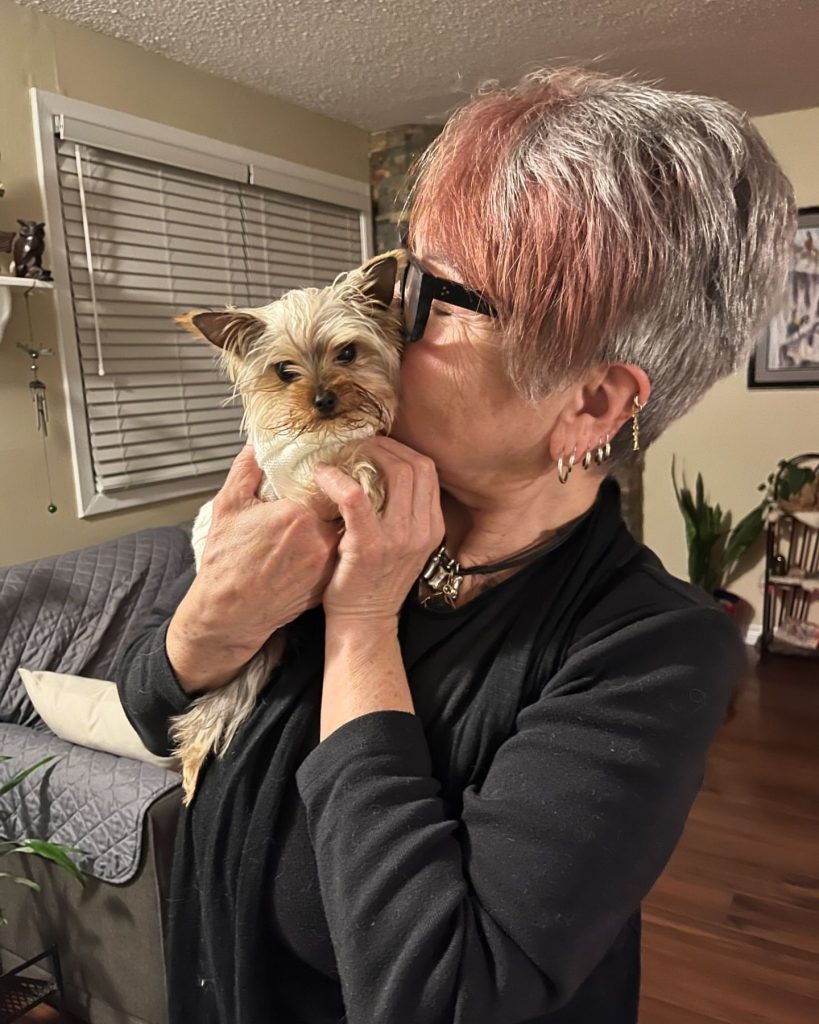
The Mighty Mite: Everything You Need to Know About the Yorkshire Terrier Mini
Yorkshire Terrier Mini. If you’ve ever found yourself utterly captivated by a tiny dog with a massive personality and a coat like spun silk, chances are you’ve met a Yorkshire Terrier. These glamorous pooches are beloved the world over for their spirited nature and undeniable charm.
But what happens when you encounter a Yorkie that seems even smaller than usual? Perhaps you’ve heard the terms “Teacup Yorkie” or “Mini Yorkshire Terrier.” While these dogs are visually adorable, understanding their size, care, and health needs is crucial before welcoming one into your life.
If you are considering adding one of these pint-sized dynamos to your family, you’ve come to the right place. We’re going to dive deep into the world of the diminutive Yorkshire Terrier, providing you with the essential information you need to ensure a happy, healthy life for your tiny companion.
Clarifying Terminology: What is a “Mini” Yorkie?
Before we go further, it’s important to understand the official standing of the Yorkshire Terrier. Yorkshire Terrier Mini
According to major kennel clubs like the American Kennel Club (AKC), there is only one recognized Yorkshire Terrier breed standard. This standard dictates that a Yorkie should weigh no more than 7 pounds (3.2 kg). There is no separate classification for “Mini,” “Toy,” or “Teacup.”
When you hear the term “Mini Yorkshire Terrier,” it usually refers to an individual dog that falls specifically on the lower end of that standard (often between 3 and 5 pounds). Sometimes, unfortunately, it can be a marketing term used by unscrupulous breeders for extremely fragile, undersized dogs often referred to as “Teacups.”
A responsible breeder, however, will simply refer to them all as Yorkshire Terriers, acknowledging that variation in size occurs naturally within any litter.
The Big Personality of a Small Dog
Don’t let the dainty size fool you—the Yorkshire Terrier is a true terrier at heart. They originated in 19th-century Yorkshire, England, where they were tasked with catching rats in clothing mills and mines. This history gives them their famous tenacity, intelligence, and often, their bossy attitude!
When you bring a Yorkie into your home, you aren’t just getting a lap dog; you’re getting a confident, curious, and incredibly affectionate companion who believes they are ten times their actual size. Yorkshire Terrier Mini
Top 5 Reasons Yorkies Make Wonderful Companions
- Apartment Friendly: Their small size means they don’t require vast amounts of space. They are perfectly suited for city living, provided they get adequate daily exercise and mental stimulation. Yorkshire Terrier Mini
- Devoted Companionship: Yorkies bond very deeply with their owners. They thrive on being involved in your daily activities and are often called “velcro dogs.”
- Intelligence and Trainability: They are bright and eager to learn tricks, though their independent streak means training requires consistency and positive reinforcement.
- Low Shedding Status: While they have hair (not fur), making them a favorite choice for allergy sufferers, their luxurious coat does require significant grooming maintenance. Yorkshire Terrier Mini
- Portability: Their modest size makes travel much easier. They can often fly in the cabin with you and are welcome in many public spaces where larger dogs might not be permitted. Yorkshire Terrier Mini
The Critical Size Comparison (Standard vs. Miniature)
While “mini” is an unofficial term, understanding the typical size variance is important for managing health and safety risks. If you are seeking a smaller Yorkie, it is crucial to understand the difference between a healthy, small dog, and a dog bred solely for extreme tininess.
Here is a general guide to understanding the size differences you might encounter:
| Feature | Standard Yorkshire Terrier | “Mini” Yorkshire Terrier (Healthy Small) | “Teacup” Yorkie (Warning Zone) |
|---|---|---|---|
| Weight | 5 to 7 lbs (2.3 – 3.2 kg) | 3.5 to 5 lbs (1.6 – 2.3 kg) | Under 3 lbs (Under 1.4 kg) |
| Height | 7–8 inches at the shoulder | 6–7 inches at the shoulder | Under 6 inches |
| Temperament | Feisty, confident, sturdy | Sensitive, highly dependent, fragile | Often nervous, extremely fragile |
| Key Health Concern | Patellar luxation, dental disease | Higher risk of hypoglycemia, bone fractures | Severe risk of organ issues, shortened lifespan |
Disclaimer: We strongly encourage you to purchase a dog that falls within the established, healthy weight standard.
Essential Care for Your Pint-Sized Pal
The smaller your Yorkie is, the more specialized attention their care requires. If your dog falls into the 3 to 5-pound category, you must be hyper-vigilant about their environment and health.
1. Health and Safety Precautions
The tiny bones and rapid metabolism of a small Yorkie demand extra caution:
- Hypoglycemia (Low Blood Sugar): This is the single biggest threat to tiny puppies and small mature dogs. Because they have very little fat storage, they can burn through glucose rapidly. You must feed small, regular meals throughout the day. Signs of hypoglycemia include listlessness, shivering, and confusion. Always keep Nutri-Cal paste or honey on hand for emergencies. Yorkshire Terrier Mini
- Dental Health: Small mouths are prone to overcrowding, which leads to tartar buildup and early tooth loss. Daily brushing is non-negotiable. Regular veterinary dental cleanings will also be required.
- Bone Safety: A fall from the couch, a wrong step off a bed, or rough play with a larger dog can result in serious bone fractures. Your little Yorkie should be handled carefully, and access to high furniture should be managed. Yorkshire Terrier Mini
2. Grooming Requirements
That famous flowing coat is beautiful but demanding. Yorkshire Terriers have hair, which grows continuously, rather than fur.
- Daily Brushing: To prevent painful mats from forming, especially on the chest, legs, and under the tail, your Yorkie needs daily brushing.
- Regular Trims: Most owners opt for the “puppy clip” (a shorter trim) for easier maintenance every 4-8 weeks.
- Topknot Care: The hair on their head is often tied up or clipped to prevent irritation to the eyes. This needs to be done gently every day.
3. Training and Socialization
Because they are small, some owners skip training, which can lead to “Small Dog Syndrome”—where the dog acts aggressive or bossy because they haven’t been given proper structure. Yorkshire Terrier Mini
- Early Socialization: Introduce your Yorkie puppy to gentle adults, friendly dogs of varying sizes, and different sounds and environments while they are young.
- Crate Training: This is excellent for house training and provides a safe den for your dog, especially valuable for tiny dogs who need frequent rest.
- Housetraining Challenges: Yorkies are notoriously difficult to housebreak due to their small bladders and tendency to dislike going out in bad weather. Consistency and patience are key; you may need to rely on puppy pads, especially during the colder months. Yorkshire Terrier Mini
Finding a Responsible Breeder
If you are set on a smaller Yorkie, the health of the puppy is directly linked to the integrity of the breeder. Avoid anyone who advertises a dog specifically using the term “Teacup.” This often indicates the dog was bred solely for size without regard for health. Yorkshire Terrier Mini
What to Look for in a Responsible Yorkshire Terrier Breeder:
- AKC Registration: They should provide registration papers for the litter.
- Health Testing: They should provide documentation proving the parents have been screened for common Yorkie issues like patellar luxation, liver shunts, and eye conditions.
- No Guarantee of Size: A responsible breeder will breed for health and standard temperament, not a specific tiny weight. They should explain the range of weights expected in the litter but will not guarantee a dog will stay under 4 pounds.
- Wait Until 12 Weeks: Healthy Yorkie puppies should remain with their mother until at least 10–12 weeks of age, especially the smaller ones, to ensure stable blood sugar levels before going to a new home. Yorkshire Terrier Mini
Frequently Asked Questions (FAQ)
Q1: Do Mini Yorkies shed a lot?
No. Yorkshire Terriers have hair (similar to human hair) rather than fur. They are considered very low-shedding and are often a popular choice for people with mild pet allergies. However, their hair does require significant daily maintenance (brushing) to prevent matting. Yorkshire Terrier Mini
Q2: How long do Yorkshire Terriers live?
Generally, a healthy Yorkshire Terrier has a fantastic lifespan, often living between 12 and 15 years. However, dogs bred to be excessively small (under 3 lbs) often face severe health challenges that can shorten their lives significantly. Yorkshire Terrier Mini
Q3: Are Yorkies good with children?
Yorkies adore their human family, but due to their fragile nature—particularly the smaller ones—they are generally better suited for homes with older, gentle children. Toddlers or very young kids might accidentally injure a small Yorkie during handling or play. Yorkshire Terrier Mini
Q4: Are Yorkies difficult to train?
They are highly intelligent but can be stubborn. Obedience training usually goes well because they love pleasing their owners, but house training can be challenging due to their tiny bladders. Be prepared for a longer housebreaking process than with larger breeds. Yorkshire Terrier Mini
Q5: Can I leave my Mini Yorkie alone all day?
Yorkshire Terriers thrive on companionship. While they can manage a few hours alone, they are not designed to be left isolated for a full workday. They can suffer from separation anxiety. If you work long hours, consider hiring a dog walker or enrolling them in doggy daycare. Yorkshire Terrier Mini
Conclusion
The Yorkshire Terrier, whether they sit at the 7-pound standard limit or the smaller, 4-pound end of the spectrum, is a vibrant and endearing companion. Their combination of sophisticated looks and cheeky confidence makes them truly one-of-a-kind.
Your primary goal should always be to prioritize health and ethical sourcing over specific size. By understanding the unique care needs of a smaller dog, providing consistent training, and showering them with love, you are preparing yourself for many wonderful years with your glorious little friend!